 freddiewrites
Bird Feeders & Outdoor Accessories: A Complete Guide to a Thriving Backyard Habitat
Watching birds gather outside a window is one of the simplest pleasures a home can offer. A well-planned backyard habitat, however, does more than attract a few visitors. It creates a reliable stopping point for migrating species, a safe feeding area for year-round residents, and a peaceful focal point for everyday life. The secret is not just putting out seed; it is combining the right feeders, thoughtful placement, clean water, and durable outdoor accessories into one welcoming space.
Whether you are starting from scratch or refreshing an existing setup, choosing quality bird feeders and outdoor accessories can make the experience easier and more rewarding. The goal is to support birds responsibly while creating a backyard that looks intentional, comfortable, and easy to maintain.
Why a Thoughtful Backyard Setup Matters
Birds are quick to notice a good feeding station, but they are equally quick to abandon one that feels exposed or unsanitary. A thoughtful setup balances food, shelter, water, and safety. It also reduces waste, keeps seed dry, and makes cleaning less of a chore. When these elements work together, the result is a lively habitat rather than a random collection of hanging feeders.
A successful backyard habitat is not about doing more. It is about placing the right elements in the right spots and keeping them clean, filled, and accessible.
Choosing the Right Bird Feeder
Different birds feed in different ways, so variety is useful. A single feeder may attract one or two species, while a small mixed setup can bring in finches, chickadees, cardinals, nuthatches, and woodpeckers. Start with two or three feeder types rather than a crowded row of identical designs.
Tube Feeders
Tube feeders are versatile and work well for small seeds such as sunflower hearts and nyjer. Look for sturdy ports, metal perches, and a design that is easy to open for cleaning. A squirrel-resistant baffle can extend the life of the seed supply and reduce frustration.
Platform and Tray Feeders
Platform feeders appeal to ground-feeding birds and larger species. They offer excellent visibility, but they also need frequent cleaning because seed can become damp. Place them where runoff drains well and check them after rain or heavy dew.
Suet and Specialty Feeders
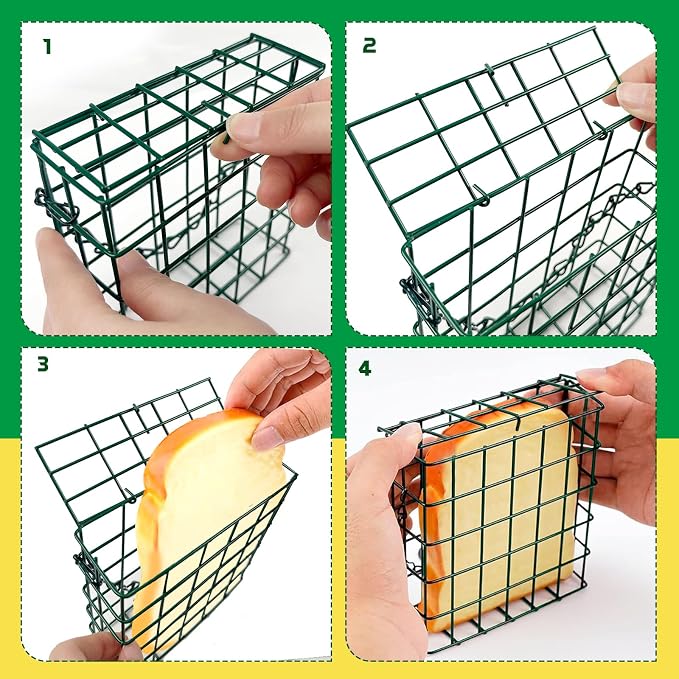
Suet feeders are especially valuable in colder months, when birds need high-energy food. Woodpeckers, nuthatches, and chickadees will visit regularly. Specialty feeders for nectar or fruit can add seasonal interest and attract a wider range of birds.
Placement, Visibility, and Safety
Start with safety. Position feeders about ten to twelve feet from low shrubs or trees, or within three feet of a window, to reduce collision risk. Keep cats indoors or create a clear buffer zone around feeding areas. A visible feeder is enjoyable, but a safe feeder is better.
- Place feeders where you can watch them without disturbing birds.
- Keep seed dry by using domes or weather guards.
- Avoid crowding feeders too closely together.
- Clean feeders regularly with hot soapy water and let them dry fully.
Keep it clean. Dirty feeders can spread disease, so establish a simple routine. Refresh seed often, remove soggy leftovers, and disinfect feeders every few weeks. A clean feeding station is healthier for birds and more pleasant for the people who maintain it.
Outdoor Accessories That Complete the Space
Feeders are the centerpiece, but the surrounding details shape the whole experience. A birdbath with moving water can attract species that ignore seed. A squirrel baffle protects the food supply. Storage bins keep seed fresh and dry. Weather-resistant hooks, poles, and mounting hardware make placement more flexible and secure.
Thoughtful outdoor accessories also improve the look of the space. A simple feeder pole, a decorative bath, or a tidy seed storage station can turn scattered items into a cohesive backyard feature. Choose materials that withstand sun, rain, and seasonal temperature changes, and check connections after strong winds.
- Water: A shallow birdbath or fountain with a gentle drip.
- Shelter: Native shrubs and evergreens near the feeding area.
- Protection: Baffles, guards, and sturdy mounting poles.
- Storage: Airtight containers that keep seed dry and pest-free.
Seasonal Care for Year-Round Birds
The needs of backyard birds change throughout the year. Spring brings nesting activity and higher energy demands. Summer heat makes clean water essential. Autumn migration calls for reliable food sources. Winter rewards high-fat foods and weatherproof feeders.
- In spring, clean feeders thoroughly and add nesting material nearby.
- In summer, refresh water often and watch for mold or spoiled seed.
- In autumn, keep feeders consistent as migrating birds pass through.
- In winter, offer suet and keep snow from blocking feeder ports.
Adjust rather than abandon. If one feeder stays empty for weeks, try a different seed, location, or feeder style. Bird activity is seasonal, and small changes often produce better results than a complete overhaul.
Create a Wildlife-Friendly Landscape
Go native. Native plants provide insects, berries, and cover that feeders alone cannot replace. Layering shrubs, perennials, and small trees creates a natural corridor where birds can move safely between feeding and resting areas.
Add water. A clean, shallow water source can be more attractive than seed during hot or dry periods. Moving water, such as a small fountain or dripper, catches a bird’s attention and helps keep the bath fresher.
Leave a little wildness. A brush pile in a quiet corner, a patch of tall grasses, or a few seed heads left standing can provide shelter and foraging opportunities. The most inviting backyard habitats feel balanced rather than overly tidy.
Final Thoughts
A thriving backyard habitat is built one small decision at a time: the right feeder, a safe location, clean water, and durable accessories that hold up to the seasons. With a little planning, bird feeding becomes more than a hobby. It becomes a daily connection to the natural world, a source of quiet entertainment, and a way to support the birds that share our outdoor spaces.