

A Smarter Carry: Choosing Men’s Bags for Work, Travel, and Everyday Life
Good bags do more than hold your things. They quietly solve small problems all day long. The right choice depends less on trends and more on how you move through work, weekends, and travel. A bag should feel natural in your hand, sit comfortably on your shoulder, and keep daily essentials easy to reach without turning every outing into a search mission.
This guide looks at three practical carry styles and the details worth checking before you buy. The goal is simple: choose a bag that fits your routine, not one that forces your routine to fit the bag.
Start With Purpose, Not Product
Before comparing materials or colors, ask what the bag must carry. A laptop, charger, notebook, water bottle, and light jacket create a very different set of demands from a phone, wallet, keys, and headphones. When you know the load, the shape and size become much easier to judge.
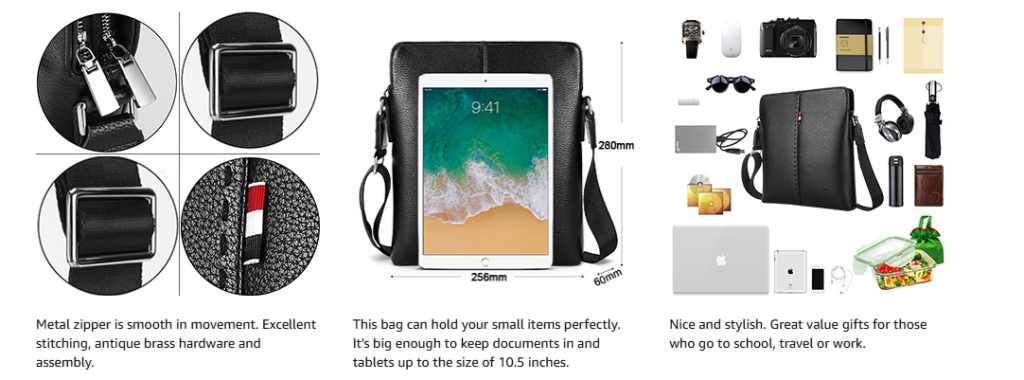
A Mens shoulder bag works well for people who want quick access without carrying a full backpack. It sits close to the body, feels secure in crowds, and often has just enough structure for a tablet, documents, and everyday essentials. For commuting or short meetings, that balance can be ideal.
Think in layers. Your most-used items should live in the easiest-to-reach section. Less-used items can go deeper. If a bag has too many similar pockets, it can actually slow you down. A clear internal layout is more useful than a long list of compartments.
Comfort Is a Feature, Not a Bonus
No matter how good a bag looks, discomfort will make you leave it at home. Check the strap width, adjustment range, and how the bag sits when fully loaded. A thin strap may look minimal, but it can dig in over time. Wide, padded straps distribute weight better, especially when you carry a laptop or a water bottle.
A Mens crossbody bag is a strong choice when you want your hands free and your valuables close. It works well for travel days, city walks, and casual weekends. The best versions sit flat against the body without swinging too much, and they allow the strap to adjust for different layers of clothing.
Three Quick Checks Before You Commit
- Empty weight: A bag that feels heavy before you pack it will only feel worse later.
- Opening shape: A wide opening makes it easier to pack and retrieve items quickly.
- Hardware quality: Smooth zippers and secure clasps matter more than decorative details.
Also consider how the bag closes. Zippers offer security, while magnetic closures offer speed. Neither is automatically better; the right choice depends on whether you are moving through a busy station or stepping into a client meeting.
Materials, Structure, and Daily Maintenance
Material affects weight, durability, and how formal the bag appears. Leather ages well and develops character, but it needs occasional care and should not be stuffed against sharp objects. Canvas and nylon are often lighter and easier to clean, making them practical for travel and wet weather. Synthetic leather can offer a clean look at a lower weight, though quality varies widely.
A Leather tote bag brings a different kind of value. It can carry more than a compact shoulder style, yet it often looks polished enough for work. The open shape is convenient for documents, a small laptop, or a change of clothes, but it benefits from an internal organizer so smaller items do not disappear at the bottom.
A useful rule: choose a bag that looks appropriate in at least three places you actually go each week. Versatility beats novelty.
Keep maintenance simple. Empty the bag once a week, wipe down the lining, and remove receipts or loose items that add clutter. Store leather away from direct sunlight, and let damp bags dry naturally rather than placing them near a heater. Small habits keep a good bag looking intentional for years.
Match the Bag to the Moment
For a focused workday, structure and protection matter most. Look for a padded section, a secure closure, and a shape that does not collapse when partially empty. For travel, prioritize light weight, reliable zippers, and a strap that adjusts easily. For weekends, choose something simpler that carries only what you genuinely need.
Fit matters as much as style. Try the bag with the clothes you wear most often. Check whether the strap sits comfortably over a jacket, whether the bag bumps against your hip, and whether the opening is easy to use while walking. These small observations reveal more than a mirror check ever will.
Finally, resist the urge to buy for a fantasy version of your life. Choose for the commute you actually take, the trips you actually make, and the items you actually carry. A well-chosen bag becomes invisible in the best way: it supports the day without demanding attention.
Final Thought
The best carry setup is not the one with the most features. It is the one that removes friction. When your essentials are organized, your hands are free, and the weight feels balanced, you stop thinking about the bag and get on with the day. That is the real mark of a smart purchase.
