

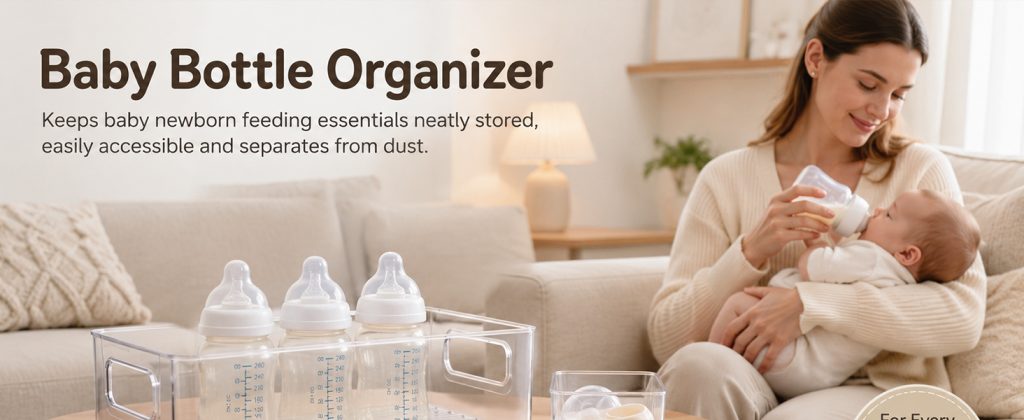
Baby Bottle Organizer Guide: Smart Storage for a Calmer Nursery
Every parent knows the feeling: it is 3 a.m., the baby is hungry, and the one clean bottle you need is hiding behind a pile of pump parts, pacifiers, and half-folded burp cloths. A good baby bottle organizer will not solve every parenting challenge, but it can remove a surprising amount of daily friction. With thoughtful baby bottle storage, feeding routines become faster, the kitchen counter stays clearer, and baby products stop taking over every available surface.
The goal is not a perfectly styled nursery. The goal is a practical system that works on tired days, during growth spurts, and when grandparents or caregivers step in to help.
Why a Baby Bottle Organizer Matters
Bottles, nipples, caps, rings, brushes, and drying racks are small items with a big footprint. When they are scattered across drawers and counters, it is easy to lose track of what is clean, what is dirty, and what needs to be packed for daycare. A dedicated organizer creates a clear home for each item.
Less searching, more feeding
When bottles have a fixed location, one-handed retrieval becomes possible. That matters when you are holding a hungry baby. A simple organizer also makes it easier to rotate stock, so older bottles do not get pushed to the back of the cabinet while newer ones are used first.
- Visibility: You can see how many clean bottles are ready.
- Speed: Nipples, caps, and rings stay paired with the right bottles.
- Hygiene: Clean and dirty items are less likely to mix.
- Space control: Baby products stay contained instead of spreading across the kitchen.
Choosing the Right Baby Bottle Storage System
The best storage solution depends on your space, feeding style, and how many bottles you use each day. A breastfeeding parent who pumps may need room for storage bags and pump parts, while a formula-feeding family may prefer a compact countertop rack. Before buying, measure your cabinet, counter, and drawer space.
Look for organizers that are easy to clean, because milk residue and moisture can build up quickly. Removable dividers, open baskets, and dishwasher-safe materials are practical choices. Avoid deep bins that turn into a jumble of small parts.
Countertop, drawer, or cabinet?
Countertop organizers keep bottles within reach and are ideal for families who feed frequently. Drawer organizers save visual space but require enough drawer depth. Cabinet racks work well for longer-term storage and bulk supplies. Many parents use a hybrid system: a small countertop caddy for daily bottles and a cabinet bin for backup baby products.
Popular Organizer Styles for Real Nurseries
There is no single perfect setup. The right baby bottle organizer should fit the way your household actually lives.
Bottle drying racks with organizer sections
These combine drying space with slots for nipples, valves, and brushes. They are useful for families who wash bottles every day and want everything to air-dry in one place.
Rotating or tiered organizers
Lazy Susan styles and tiered shelves make good use of vertical space. They are especially helpful in small kitchens where counter space is limited.
Drawer divider trays
Adjustable trays keep bottle parts separated and make it easy to grab a nipple without digging. They are a quiet, out-of-sight option for parents who prefer a clutter-free counter.
Travel and daycare organizers
Insulated totes and compartmentalized bags protect bottles on the go. Look for wipeable liners, secure closures, and enough room for labels. A travel organizer is one of those baby products that feels unnecessary until the first full day out of the house.
Beyond Bottles: Organizing the Rest of Baby Products
Bottle storage works best when it is part of a larger feeding station. Keep only daily essentials within arm’s reach, and store overflow supplies elsewhere.
- Feeding station: clean bottles, nipples, formula dispenser, burp cloth, and a small notebook if you track feeds.
- Cleaning zone: bottle brush, soap, drying rack, and a small bin for dirty parts.
- Backup bin: extra nipples, valves, and storage bags kept in a labeled container.
Labels are quietly powerful. A simple “clean,” “dirty,” or “daycare” label can prevent confusion when multiple caregivers are helping.
Cleaning, Safety, and Daily Maintenance
An organizer is only useful if it stays clean. Empty and wipe the organizer weekly, or more often if milk spills. Check for trapped moisture, especially in closed bins or drawer trays. Follow the bottle manufacturer’s cleaning instructions and avoid storing wet parts in enclosed spaces.
Practical rule: if a storage spot makes you hesitate at 2 a.m., it is probably too complicated. Choose the simple system you will actually maintain.
Also check that organizers do not block cabinet doors, appeal to curious toddlers, or sit near hot appliances. Keep small parts out of reach as your baby grows and begins to explore.
A Simple Daily Workflow
- Morning: count clean bottles and restock the daily caddy.
- After each feed: rinse bottles and place dirty parts in the cleaning zone.
- Evening: wash, dry, and rebuild bottles for the next day.
- Weekly: wipe the organizer, check supplies, and remove outgrown or unused items.
Final Thoughts
A well-chosen baby bottle organizer does more than tidy a counter. It supports a smoother feeding routine, reduces last-minute searching, and makes baby bottle storage feel manageable instead of overwhelming. Start with one small system that fits your space, keep it simple, and adjust as your baby’s needs change. The best baby products are not the most elaborate ones—they are the ones that make everyday care a little easier.