

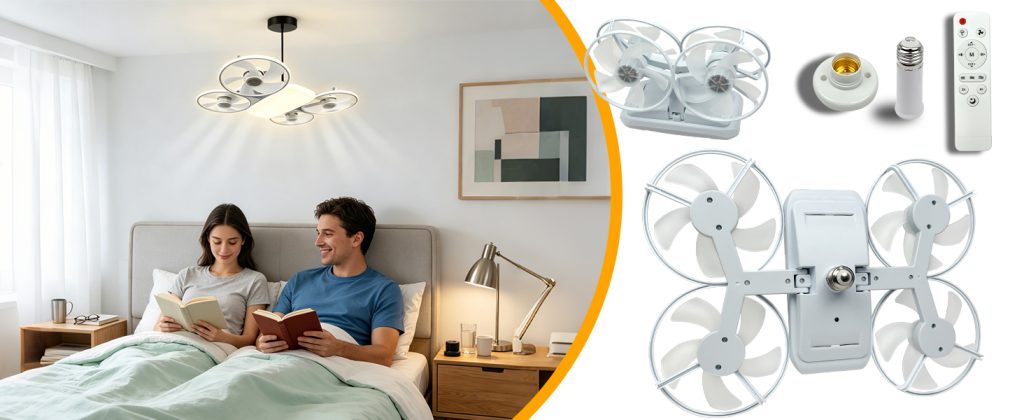
Ceiling Fan Light, Drone Ceiling Fan, and Remote Control: A Smart Home Comfort Guide
When it comes to upgrading a room, most people think about paint, furniture, or flooring first. Yet the fan overhead can change the way a space feels every single day. A Ceiling fan light combines illumination and air movement in one fixture, while a Drone ceiling fan brings a more modern, aerodynamic look to the ceiling. Add a Ceiling fan with remote and you get convenience without stretching for a pull chain. Together, these three ideas point toward a smarter, more comfortable home.
Why a Ceiling Fan Light Deserves a Second Look
A ceiling fan light is more than a practical add-on. It solves a common room problem: ceilings often lack dedicated lighting, and floor lamps can crowd the space. By pairing a fan with an integrated light kit, you reduce clutter and create a central source of illumination. The effect is especially useful in bedrooms, living rooms, and covered patios where overhead light is welcome but floor space is limited.
Look for fixtures with dimmable LED modules, adjustable color temperature, or frosted glass diffusers. These features make it easier to shift from bright task lighting to a softer evening glow. A well-designed ceiling fan light should feel balanced, not bulky, so the fan blades and light housing work together visually.
Drone Ceiling Fan: A New Spin on Airflow
The Drone ceiling fan takes its name from its sleek, futuristic profile. Instead of traditional paddle-shaped blades, many drone-style fans use compact, curved blades or enclosed turbine-like designs. The result is a fan that moves air efficiently while looking more like a design object than an appliance.
Style matters, but airflow matters more. A drone ceiling fan should be judged by its CFM rating, motor quality, and noise level—not just its silhouette.
These fans often suit modern, minimalist, and industrial interiors. Because they tend to have a lower-profile housing, they can also work well in rooms with lower ceilings. If you want a fan that feels contemporary without shouting for attention, a drone ceiling fan is a strong candidate.
Ceiling Fan with Remote: Comfort at Your Fingertips
A Ceiling fan with remote adds a layer of everyday ease. Instead of using a wall switch or pull chain, you can change fan speed, dim the light, reverse the blade direction, and sometimes set a sleep timer from across the room. This is especially helpful in bedrooms, high-ceiling living areas, and accessible spaces where reaching overhead is difficult.
Remote-controlled fans also reduce the need for extra wall wiring in some installations. However, check whether the remote is wall-mountable and whether the receiver fits inside the canopy. A good Ceiling fan with remote should feel intuitive, with clearly labeled buttons and reliable signal range.
How to Match Style, Size, and Function
Before buying, measure the room and consider how the fan will be used. A large open living room may need a wider blade span, while a small bedroom can use a more compact fixture. Keep these practical points in mind:
- Blade span: Match the fan size to the room’s square footage.
- Light output: Check lumens and dimmability if the fan will be the main light source.
- Motor type: DC motors are often quieter and more energy-efficient than AC motors.
- Control options: A remote is convenient, but wall control may suit some households better.
- Wet or damp rating: Use the correct rating for porches and covered outdoor areas.
If your room already has recessed lighting, you may prefer a fan without a light kit. If not, a Ceiling fan light can simplify the lighting plan and reduce the number of fixtures on the ceiling.
Installation, Safety, and Maintenance
Ceiling fans require a properly rated electrical box and, in many cases, a helper for safe installation. If you are replacing an existing fixture, confirm that the box is fan-rated and that the ceiling height allows for safe clearance. Remote-controlled models often require pairing the receiver and remote before use, so follow the manufacturer’s instructions carefully.
Maintenance is usually simple: dust the blades, clean the light diffuser, and check the screws periodically. A balanced fan runs more quietly and lasts longer. If you notice wobbling, a blade-balancing kit or a quick tightening session may solve the problem.
Final Thoughts
The best fan is the one that fits your room, your habits, and your visual style. A Drone ceiling fan can bring a clean, modern edge to a space, while a remote-controlled model adds everyday convenience. Pair either option with an integrated light, and you get a ceiling fixture that works harder for the room. Choose carefully, install safely, and enjoy the difference in comfort and atmosphere.