
Wudu Nail Rings and Nail Covers: A Practical Guide to Water-Accessible Wudu
For many Muslims, performing wudu is a daily act of purification that combines intention, routine, and care. Every part of the ritual matters, including the fingertips and nails. This is where wudu nail rings, nail rings for wudu, and wudu nail covers have become useful accessories for people who want to keep their nails protected while still allowing water to reach the nail surface. Rather than functioning as jewelry alone, these small items are designed around a simple practical goal: support water accessibility without adding unnecessary barriers.
The conversation around nails and wudu often focuses on polish, extensions, and coatings that may prevent water from reaching the nail. Wudu nail rings and covers offer an alternative approach. They are typically open, lightweight, and water-permeable in design, allowing water to flow around and beneath the covered area. They are not a replacement for understanding the rules of purification, but they can be helpful tools when used thoughtfully and with appropriate scholarly guidance.
What Are Wudu Nail Rings?
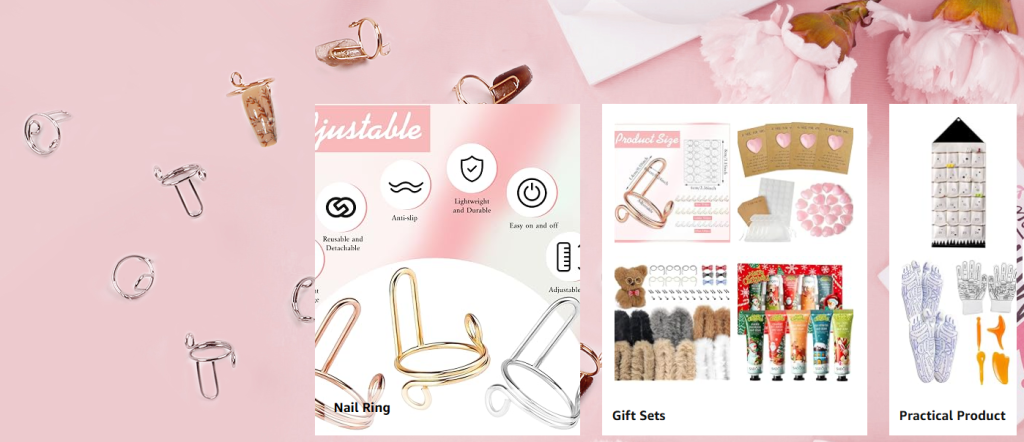
Wudu nail rings are small ring-like accessories worn around or over the nails. Unlike closed decorative rings that may trap water out, they are usually designed with openings, gaps, or breathable structures. The aim is to protect the nail area from daily wear, cosmetics, or other temporary coverings while keeping the nail accessible to water during wudu.
Many people use the terms nail rings for wudu and wudu nail covers interchangeably. In practice, the products may differ in shape. Some resemble adjustable rings that sit around the fingertip. Others are slim covers that shield the nail without sealing it. The best design is one that stays in place comfortably but does not create a tight, water-blocking barrier.
Why Water Accessibility Matters
In wudu, water must reach the parts of the body that are washed, including the hands and face. Nails are part of the fingertips, so a covering that prevents water from reaching the nail can be a concern. Products marketed for wudu are therefore usually described as allowing water to pass through or reach the nail surface.
Comfort and coverage should never come at the cost of water accessibility. A wudu nail cover should support the ritual, not complicate it.
It is important to remember that product design alone does not settle religious questions. Muslims may follow different scholarly opinions on nail coverings, polish, and related matters. If you are unsure, consult a trusted scholar or local religious authority and explain exactly how the product is worn.
Common Types of Wudu Nail Covers
There is no single universal design. The market includes several styles, and each has practical trade-offs.
- Open-frame nail rings: These leave gaps around the nail so water can pass through. They are often adjustable and reusable.
- Breathable nail covers: These are lightweight caps or shields with ventilation or open sections. They may suit people who want extra protection during chores or work.
- Soft silicone or plastic rings: These can be comfortable for short wear, but fit is critical. A tight seal may defeat the purpose.
- Minimalist metal-style rings: Some users prefer slim, ring-like designs that feel less bulky. They should still be checked for water flow and comfort.
When comparing options, look beyond appearance. A product that looks elegant but sits too tightly may not be suitable. A simple, open design that allows water to move freely is often more practical for wudu.
How to Choose the Right Fit
Fit is one of the most important factors with wudu nail rings. The item should be secure enough not to slip off during wudu, but loose enough that water can reach the nail. Avoid rings that press into the skin or create a suction-like seal. If you feel moisture trapped after wudu, the fit or design may need reconsideration.
A useful checklist includes:
- Can water reach the nail easily during washing?
- Does the ring or cover stay in place without squeezing?
- Are the edges smooth and comfortable?
- Can it be cleaned and dried thoroughly?
- Is it easy to remove after use?
Hygiene and Daily Use
Because wudu involves water, nail covers and rings can stay damp if they are not dried properly. Clean them regularly with mild soap and water, rinse well, and allow them to air-dry completely. Avoid sharing personal nail accessories. If the skin becomes irritated, stop using the product and consult a healthcare professional if needed.
It is also wise to remove wudu nail covers before sleeping, heavy manual work, or activities where they could catch on something. Treat them as practical accessories rather than permanent wear. Keeping them clean and dry helps maintain both comfort and hygiene.
Etiquette and Religious Considerations
Wudu nail rings and covers should be used with humility and common sense. They are aids, not shortcuts. The intention behind wudu remains central, and the accessories should not distract from the ritual. If a product claims to make wudu valid without confirming water access, verify the design carefully and seek religious guidance.
Different communities may have different views on wearing nail accessories during prayer or wudu. Some may prefer to remove them entirely; others may use them only when needed. The safest approach is to understand your own school of thought, test the product’s water accessibility, and ask a qualified scholar when in doubt.
Final Thoughts
Wudu nail rings, nail rings for wudu, and wudu nail covers can be useful for people seeking comfortable, water-accessible nail protection. The best products are simple, well-fitted, easy to clean, and designed to let water reach the nail rather than block it. Choose thoughtfully, test for water flow, and keep religious guidance at the center of your decision. Used with care, these small accessories can support both practical nail protection and a more confident approach to wudu.