
Paper Mache Easter Eggs: The Perfect Paintable Canvas for Spring Crafts
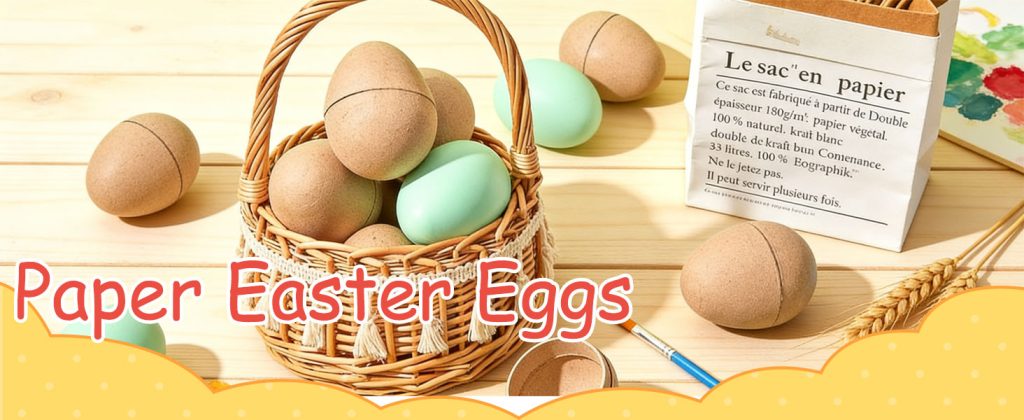
Paper mache eggs are one of the most versatile and forgiving craft materials you can bring into your home this Easter season. Unlike fragile real eggs or plastic alternatives that resist paint, paper mache eggs are lightweight, durable, and ready to absorb color, glitter, and creative detail. Whether you are planning a family afternoon project, a classroom activity, or a solo artistic escape, these paintable Easter eggs offer endless possibilities.
In this guide, we will explore why paper mache eggs have become a favorite for crafters, how to choose the right supplies, and which painting techniques deliver beautiful results. You will also find age-friendly craft ideas and simple tips for preserving your finished creations for seasons to come.
What Makes Paper Mache Eggs So Craft-Friendly?
Paper mache is made from paper pulp or strips combined with a paste, then molded into shape and left to dry. The result is a solid but lightweight shell that holds paint exceptionally well. Because the surface is slightly porous, acrylics, tempera, and even watercolors adhere without sliding off. This makes paper mache eggs far more cooperative than glossy plastic eggs, which often require special primers.
Another advantage is durability. Paper mache eggs can survive gentle handling, which makes them ideal for children’s crafts. They are also easy to drill, glue, and embellish, so you can turn them into ornaments, table decorations, or personalized gifts.
Paintable Easter Eggs vs. Traditional Dye Kits
Traditional egg dyeing is a beloved tradition, but it can be messy and temporary. Paintable Easter eggs invite a different kind of creativity. Instead of dipping and hoping for an even color, you can paint stripes, faces, landscapes, or abstract designs. You can also correct mistakes by painting over them—something you cannot do with stained real eggs.
Quick tip: Paper mache eggs are not edible. Keep them clearly separated from real eggs in the kitchen, especially if young children are helping.
Supplies You Will Need for Your First Project
Before you start painting, gather a few basic supplies. You do not need a professional studio to create stunning paper mache eggs, but having the right tools makes the process smoother.
- Paper mache eggs: Look for smooth, pre-molded eggs in craft stores or online.
- Acrylic paint: Offers bright color and good coverage on paper mache.
- Tempera paint: A washable option for younger crafters.
- Brushes: A mix of flat, round, and fine-tip brushes for different effects.
- Palette or paper plate: For mixing custom colors.
- Water cup and paper towels: For cleaning brushes and blotting mistakes.
- Optional embellishments: Glitter, sequins, ribbon, fine-liner pens, and decoupage glue.
If you plan to hang your eggs, add a small screw eye or a loop of ribbon before painting. It is easier to attach hardware to a plain surface than a finished one.
Painting Techniques for Beautiful Paper Mache Eggs
There is no single “right” way to paint a paper mache egg. The fun comes from experimenting. Below are several approaches, ranging from simple to advanced.
1. Classic Solid Colors with a Twist
Start with a base coat of spring pastel paint—soft pink, mint green, butter yellow, or lavender. Once dry, add a second layer in a contrasting color using a dry brush. This creates a subtle, textured look that feels handmade and warm. Finish with a light coat of matte varnish if you want extra protection.
2. Hand-Painted Patterns
Use a fine-tip brush to paint polka dots, stripes, chevrons, or tiny flowers. For crisp lines, let each color dry completely before adding the next. A simple trick is to paint a wide band around the middle of the egg, then fill the top and bottom with a different pattern.
3. Textured and Mixed-Media Designs
Paper mache eggs accept more than paint. Try pressing small pieces of tissue paper onto a slightly damp painted surface, or glue on buttons, beads, and yarn. You can also use a sponge to dab paint for a speckled, speckled egg effect. Mixed-media eggs look especially charming in a rustic Easter basket.
4. Storybook and Character Eggs
Older children and adults enjoy turning eggs into characters. Paint a face, add craft eyes, and use felt or paper scraps for ears, hats, or wings. These eggs make wonderful place settings or small gifts for friends.
Craft Ideas for Every Age Group
Paper mache eggs are adaptable to different skill levels. Here are a few ideas to match the makers in your home.
- Toddlers and preschoolers: Finger painting with washable tempera, sticker collages, and large sponge stamps.
- School-age children: Striped eggs, glitter-dotted designs, and simple animal faces.
- Teens and adults: Fine-line mandala patterns, gold-leaf accents, and elegant botanical designs.
- Group crafts: Set up a “paint station” with a few base-coated eggs and shared supplies. Everyone can create one egg for a family centerpiece.
For a low-stress party activity, pre-paint the eggs with a white or pastel base coat. This gives everyone a clean canvas and helps the final colors appear more vibrant.
Tips for a Smooth, Professional Finish
A few small habits make a big difference in the final look of your paintable Easter eggs.
- Work in thin layers. Thick paint can crack or peel as it dries.
- Let each layer dry fully. Patience prevents smudges and muddy colors.
- Use a brush handle or foam block as a stand. This keeps wet eggs from sticking to the table.
- Seal with a matte or satin varnish. It protects the paint and gives a polished finish.
- Store eggs in a padded box. Paper mache is sturdy but can dent if pressed hard.
Displaying and Preserving Your Creations
Finished paper mache eggs deserve a place of honor. Arrange them in a shallow bowl with fresh moss, tie them to a spring branch, or nestle them into a table centerpiece. For hanging ornaments, attach a ribbon loop and display them on a small Easter tree. If you want to keep your eggs for future years, store them in a cool, dry place away from direct sunlight. A layer of varnish will help protect the surface from dust and minor scuffs.
Paper mache eggs are more than a seasonal craft—they are a chance to slow down, experiment with color, and create something personal. Whether you paint a simple pastel egg or an elaborate miniature masterpiece, the process is as rewarding as the result. Gather your supplies, choose your favorite colors, and let your imagination hatch a new tradition this Easter.