
Creative Alchemy: Arts Crafts, Papier-Mache, Transfer Paper, Fabric, and Charms Beads
Arts Crafts is not a single hobby; it is a way of seeing possibility in ordinary materials. A sheet of paper, a scrap of cloth, a printed image, and a handful of tiny charms can become something personal, tactile, and full of story. The real magic begins when techniques overlap. Papier-mache gives form. Transfer Paper adds image and detail. Fabric brings softness and color. Charms Beads supply the final sparkle, movement, and personality. Together, they turn a simple afternoon project into a layered creative practice.
Start with Papier-Mache: Shape Before Decoration
Papier-Mache is one of the most forgiving craft materials because it rewards patience and improvisation. You can build around a balloon, a cardboard box, a wire frame, or even a bowl from the kitchen. Strips of newspaper or craft paper are dipped into paste and layered slowly. The first layers are structural; the later layers are about smoothing the surface and preparing it for color.
What makes Papier-Mache so useful in mixed-media work is its openness. It can become a mask, a small sculpture, a jewelry dish, a decorative box, or a whimsical figure. Once the form is dry, the surface becomes a canvas. This is where Transfer Paper becomes valuable. Instead of painting every detail by hand, you can transfer line art, lettering, botanical motifs, or personal sketches directly onto the prepared surface. The result feels intentional and illustrated, not merely painted.
Tip: Keep your first Papier-Mache layers loose and your final layers neat. The structure does not need to be perfect; it only needs to hold the idea.
Transfer Paper: The Quiet Detail-Maker
Transfer Paper is often overlooked, yet it can transform a craft project from homemade to thoughtfully designed. Use it to add patterns to a Papier-Mache bowl, create delicate outlines on Fabric, or sketch a guide for bead placement. The key is to test the transfer on a scrap piece first, because every surface accepts pressure differently. On a curved Papier-Mache shape, small pieces of transfer paper work better than one large sheet. On Fabric, choose a smooth weave and press gently so the lines stay crisp without smudging.
Design note: Transfer lines do not have to be hidden. In fact, visible pencil or transfer marks can become part of the charm, especially in rustic or storytelling-style projects. Trace a phrase, a leaf, a star, or a tiny face, then let paint, thread, or beads follow the lines.
Fabric Adds Softness and Contrast
Fabric brings a welcome contrast to the hard, sculptural quality of Papier-Mache. A fabric lining inside a small bowl, a fabric patch on a mask, or a fabric backing on a brooch can make a project feel finished and wearable. Fabric also invites stitching, fraying, folding, and layering—textures that paper alone cannot provide. Choose fabrics that match the mood of the piece: calm linen for a minimal jewelry dish, bright cotton for a playful charm bracelet pouch, or velvet for a dramatic mixed-media ornament.
Three Ways to Combine Fabric and Paper
- Layered surfaces: Glue a small Fabric patch onto a painted Papier-Mache form, then outline it with Transfer Paper before adding beads.
- Soft structure: Use Fabric to cover the inside of a Papier-Mache box so the piece feels polished when opened.
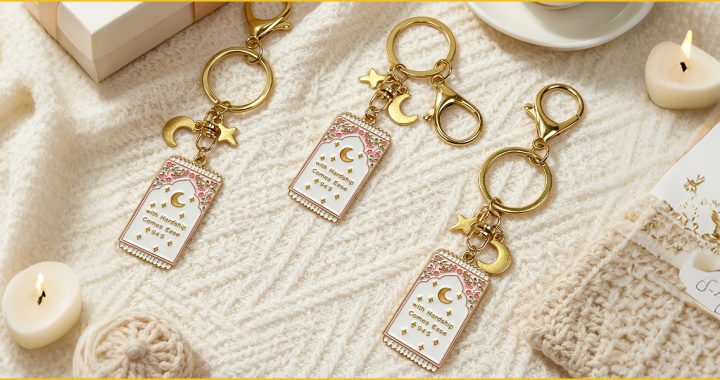
- Wearable accents: Sew a tiny Fabric scrap behind a cluster of Charms Beads to create a one-of-a-kind pendant or bag charm.
Charms Beads: The Final Signature
Charms Beads are where a project gains personality. A few metallic stars, tiny hearts, glass seed beads, or mismatched vintage charms can turn a plain surface into a small treasure. The trick is restraint and rhythm. Group beads in odd numbers, repeat a color twice, and leave breathing room around the brightest elements. On Papier-Mache, beads can be glued along a transferred outline or suspended from a wire loop. On Fabric, they can be stitched into constellations, borders, or hidden messages.
Charms are also practical. A small charm can hide a glue mark, mark the front of a handmade ornament, or add weight to a fabric tassel. Beads can create movement when the piece is worn or hung, catching the light and making the handmade object feel alive.
Putting It All Together
A simple project might begin with a small Papier-Mache dish. Smooth the surface, transfer a botanical design with Transfer Paper, paint it in muted colors, and line the inside with a scrap of Fabric. Finally, attach a short cluster of Charms Beads to one edge. The result is a jewelry dish, a desk catchall, or a gift that feels far more considered than its materials suggest.
The larger lesson is that Arts Crafts thrives on unexpected combinations. Papier-Mache gives you form. Transfer Paper gives you precision. Fabric gives you warmth. Charms Beads give you sparkle. When you let these materials talk to one another, you stop following a kit and start making something that could only come from your own hands.
Final thought: Keep one box for paper pulp, one drawer for fabric scraps, one envelope for transfer sheets, and one small dish for charms and beads. Creativity becomes easier when the materials are already waiting.